Pass CompTIA Security+ Certification Exams in First Attempt Easily

Latest CompTIA Security+ Certification Exam Dumps, Practice Test Questions
Accurate & Verified Answers As Experienced in the Actual Test!

You save
$39.99
Save
Verified by experts
SY0-701 Premium Bundle
Exam Code: SY0-701
Exam Name: CompTIA Security+
Certification Provider: CompTIA
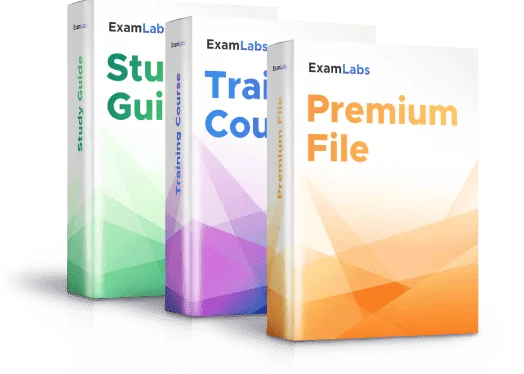
Bundle includes 3 products: Premium File, Training Course, Study Guide
accept 580 downloads in the last 7 days
SY0-701 Premium Bundle
  • Premium File 891 Questions & Answers
    Last Update: May 28, 2026
  • Training Course 167 Lectures
  • Study Guide 1003 Pages

Check our Last Week Results!

trophy
Customers Passed the CompTIA Security+ certification
star
Average score during Real Exams at the Testing Centre
check
Of overall questions asked were word-to-word from this dump
Premium Bundle
Certification Info
Related Exams
Related Certifications
SY0-701 Questions & Answers
SY0-701 Premium File
891 Questions & Answers
Last Update: May 28, 2026
Includes questions types found on actual exam such as drag and drop, simulation, type in, and fill in the blank.
SY0-701 Training Course
Based on Real Life Scenarios which you will encounter in exam and learn by working with real equipment.
SY0-701 Study Guide
SY0-701 Study Guide
1003 Pages
The PDF Guide was developed by IT experts who passed exam in the past. Covers in-depth knowledge required for Exam preparation.
Get Unlimited Access to All Premium Files
Details

Download Free CompTIA Security+ Practice Test, CompTIA Security+ Exam Dumps Questions

File Name Size Downloads  
comptia.test4prep.sy0-701.v2023-12-08.by.summer.7q.vce 13.1 KB 1599 Download

Free VCE files for CompTIA Security+ certification practice test questions and answers are uploaded by real users who have taken the exam recently. Sign up today to download the latest CompTIA Security+ certification exam dumps.

CompTIA Security+ Certification Practice Test Questions, CompTIA Security+ Exam Dumps

Want to prepare by using CompTIA Security+ certification exam dumps. 100% actual CompTIA Security+ practice test questions and answers, study guide and training course from Exam-Labs provide a complete solution to pass. CompTIA Security+ exam dumps questions and answers in VCE Format make it convenient to experience the actual test before you take the real exam. Pass with CompTIA Security+ certification practice test questions and answers with Exam-Labs VCE files.

The Foundation of a CompTIA Security+ Career

The CompTIA Security+ certification has earned a reputation as the most recognized entry-level cybersecurity credential in the world, and that reputation is built on decades of consistent relevance in the industry. Unlike vendor-specific certifications that focus on a single company's products, Security+ provides vendor-neutral knowledge applicable across virtually every technology environment a professional might encounter. This broad applicability makes the certification valuable regardless of whether an organization runs Microsoft, Cisco, AWS, or any other technology infrastructure.

Employers across government agencies, financial institutions, healthcare organizations, and private enterprises consistently list Security+ as a preferred or required qualification for security-related roles. The certification signals that a candidate understands fundamental security concepts deeply enough to apply them in diverse real-world situations. For anyone beginning a cybersecurity career, Security+ serves as the universally respected starting point that opens conversations with hiring managers and validates professional seriousness in a competitive field.

The History and Evolution That Makes This Credential Trustworthy

CompTIA introduced the Security+ certification in 2002, responding to a growing industry need for standardized baseline security knowledge among IT professionals. Over the following two decades, the certification evolved through multiple exam versions, each updated to reflect the changing threat landscape and emerging technologies that security professionals must understand. This long history of continuous refinement demonstrates CompTIA's commitment to keeping the credential genuinely relevant rather than allowing it to become outdated.

Each new version of the Security+ exam incorporates feedback from industry practitioners, hiring managers, and technology leaders who understand what skills actually matter in professional security roles. The most recent exam version reflects modern concerns including cloud security, zero trust architecture, automation, and advanced threat intelligence concepts. This evolutionary approach ensures that professionals who earn the current version of Security+ are prepared for the cybersecurity challenges organizations face today rather than those of a decade ago.

Understanding the Domains That Define the Exam's Scope

The Security+ exam is organized around specific domains that collectively cover the essential knowledge areas every cybersecurity professional needs to master. These domains include general security concepts, threats and vulnerabilities, security architecture, security operations, and security program management and oversight. Each domain carries a specific percentage weight in the overall exam score, helping candidates understand where to concentrate their preparation efforts for maximum impact.

General security concepts establish the vocabulary and foundational principles that underpin every other domain, making it the logical starting point for any study plan. Threats and vulnerabilities require candidates to understand how attackers think, what tools they use, and how various attack techniques exploit weaknesses in systems and human behavior. Security architecture addresses how protective systems are designed and deployed, while security operations covers the day-to-day activities of detecting, responding to, and recovering from security incidents across an organization.

The Professional Roles That Security+ Unlocks for New Candidates

Earning the Security+ certification makes candidates eligible for a wide range of entry-level and junior-level cybersecurity positions that serve as launching pads for long careers in the field. Common roles that list Security+ as a qualifying credential include security analyst, systems administrator with security responsibilities, network security specialist, IT auditor, and security operations center analyst. Each of these positions provides hands-on experience that accelerates professional development far beyond what any certification alone can deliver.

Government positions, particularly those requiring security clearances within the United States Department of Defense, mandate Security+ as a baseline requirement under the DoD 8570 directive, creating a substantial and stable job market specifically for certified professionals. Federal contractors, defense agencies, military branches, and intelligence-adjacent organizations all rely on Security+ as evidence that personnel understand security fundamentals at the minimum required level. This governmental demand creates job security and competitive salaries that make the certification investment worthwhile for career changers and recent graduates alike.

How Security+ Builds the Conceptual Framework for Advanced Certifications

Security+ is deliberately designed as a stepping stone within a broader certification journey rather than a terminal credential for seasoned professionals. After earning Security+, professionals commonly pursue advanced certifications such as CompTIA CySA+, CompTIA CASP+, Certified Ethical Hacker, Certified Information Systems Security Professional, or Certified Information Security Manager depending on their chosen specialization. The conceptual foundation built during Security+ preparation makes each of these advanced credentials more accessible and less overwhelming.

The knowledge gained while studying for Security+ creates mental frameworks that professionals apply when learning more specialized topics later in their careers. Understanding how encryption works, why network segmentation matters, and how identity management protects organizations helps professionals absorb advanced concepts much more quickly than if they had attempted to skip foundational study. Security+ essentially teaches candidates how to think about security problems systematically, which is a skill that remains valuable regardless of how dramatically technology evolves over the coming decades.

Threat Intelligence and Attack Techniques Covered in the Exam

One of the most engaging aspects of Security+ preparation involves learning how cybercriminals and nation-state actors actually conduct attacks against organizations and individuals. The exam covers social engineering techniques including phishing, vishing, smishing, and pretexting, explaining how attackers manipulate human psychology to bypass technical controls that might otherwise protect sensitive systems. Understanding these techniques from an attacker's perspective fundamentally changes how security professionals approach user education and organizational policy.

Malware categories including ransomware, trojans, worms, rootkits, spyware, and fileless malware each operate through distinct mechanisms that Security+ candidates must understand in enough detail to recognize and respond to them appropriately. The exam also addresses more sophisticated attack techniques such as SQL injection, cross-site scripting, man-in-the-middle attacks, and privilege escalation, connecting these concepts to the defensive measures that organizations deploy to detect and prevent them. This balanced coverage of both offensive techniques and defensive responses prepares candidates for the analytical thinking that security roles demand every day.

Cryptography Principles That Underpin Modern Digital Security

Cryptography forms an essential pillar of cybersecurity, and Security+ dedicates significant attention to ensuring candidates understand both the theoretical foundations and practical applications of cryptographic concepts. Symmetric encryption algorithms such as AES protect data at rest and in transit using a single shared key, while asymmetric algorithms such as RSA use mathematically linked key pairs to enable secure communication between parties who have never previously exchanged secrets. Understanding when and why to use each approach is fundamental knowledge for any security practitioner.

Hashing algorithms, digital signatures, certificate authorities, and public key infrastructure all connect directly to the cryptographic principles covered in Security+, creating a coherent picture of how trust is established and maintained in digital environments. Candidates learn how HTTPS protects web browsing, how email signing prevents impersonation, and how certificate validation stops man-in-the-middle attacks that would otherwise compromise sensitive communications. These concepts appear constantly in professional security work, making deep familiarity with cryptography one of the most practically valuable outcomes of earning the Security+ certification.

Network Security Architecture and Its Role in Protecting Organizations

Network security architecture describes how organizations design and deploy technical controls to protect data flowing across internal and external networks, and Security+ covers this topic with considerable depth. Candidates must understand firewalls, intrusion detection systems, intrusion prevention systems, network access control, and virtual private networks, including how each technology functions and where it fits within a layered security strategy. The principle of defense in depth, which involves deploying multiple overlapping controls so that no single failure creates a complete breach, is central to understanding network security architecture.

Segmentation strategies including demilitarized zones, VLANs, and microsegmentation limit how far an attacker can move through a network after achieving an initial compromise, reducing the potential damage of any single security incident. Security+ candidates must also understand how wireless networks introduce unique vulnerabilities and how protocols such as WPA3 address weaknesses found in earlier wireless security standards. This knowledge translates directly into practical skills that newly hired security professionals apply immediately upon joining an organization's security team.

Identity and Access Management as a Core Security Discipline

Identity and access management, commonly abbreviated as IAM, addresses how organizations control which users can access which systems and data, and the Security+ exam treats this topic as a foundational security discipline. Candidates must understand authentication factors including something you know, something you have, and something you are, as well as how multifactor authentication combines these factors to dramatically reduce the risk of unauthorized access from stolen credentials alone. The shift toward zero trust principles, which assume no user or device should be trusted by default regardless of network location, represents a significant evolution in how IAM is approached in modern organizations.

Single sign-on solutions, federation protocols such as SAML and OAuth, privileged access management, and directory services all fall within the IAM knowledge area that Security+ addresses. Understanding how attackers target identity systems through credential stuffing, pass-the-hash attacks, and Kerberoasting helps candidates appreciate why strong IAM practices represent one of the highest-value security investments an organization can make. Every organization, regardless of size or industry, must manage identities and access permissions, ensuring that IAM knowledge remains perpetually relevant throughout a security professional's entire career.

Cloud Security Concepts Reflecting the Modern Technology Landscape

Cloud computing has transformed how organizations deploy and manage technology infrastructure, and the Security+ exam reflects this transformation by incorporating substantial cloud security content. Candidates must understand the shared responsibility model, which defines which security obligations belong to the cloud provider and which remain the customer's responsibility across infrastructure, platform, and software service models. Misunderstanding this model has led to numerous high-profile data breaches where organizations incorrectly assumed their cloud provider was handling security controls they were actually responsible for themselves.

Cloud-specific threats including misconfigured storage buckets, insecure application programming interfaces, and insufficient access controls to cloud management consoles receive attention in Security+ preparation materials. Candidates also learn about cloud access security brokers, secure access service edge architecture, and how traditional security tools must adapt when protecting workloads running in public, private, or hybrid cloud environments. As cloud adoption continues accelerating across every industry, security professionals who understand cloud-specific risks and controls become increasingly valuable to organizations managing complex multi-cloud environments.

Security Operations and Incident Response Fundamentals

Security operations encompasses the ongoing activities that security teams perform daily to protect organizations, detect threats, and respond effectively when incidents occur. Security+ candidates must understand the phases of incident response including preparation, detection, containment, eradication, recovery, and lessons learned, recognizing that a structured approach to incident handling significantly reduces the damage caused by any security event. Organizations that improvise their incident response frequently make costly mistakes that extend recovery time and increase regulatory and reputational consequences.

Security information and event management systems collect and correlate log data from across an organization's technology environment, enabling analysts to detect patterns that indicate malicious activity. Security+ candidates learn how to interpret basic log entries, understand what normal network behavior looks like, and recognize indicators of compromise that suggest an active intrusion or data exfiltration attempt. These foundational skills form the basis of the security analyst role, which represents one of the most in-demand positions in the cybersecurity job market and a natural career destination for newly certified Security+ professionals.

Governance, Risk Management, and Compliance Requirements

Security professionals do not operate in isolation from the legal, regulatory, and organizational policy frameworks that govern how data must be protected and how security programs must be structured. Security+ addresses governance, risk management, and compliance as interconnected disciplines that shape every security decision an organization makes. Candidates learn about risk assessment methodologies, risk treatment options including acceptance, avoidance, transference, and mitigation, and how organizations document and track risks through formal risk registers maintained by security and executive leadership.

Regulatory frameworks such as GDPR, HIPAA, PCI DSS, and SOX impose specific security requirements on organizations handling particular types of sensitive data, and Security+ candidates must understand how compliance obligations influence security program design. The relationship between security policies, standards, procedures, and guidelines creates a hierarchical documentation structure that Security+ professionals are expected to understand and contribute to throughout their careers. Organizations increasingly recognize that security cannot succeed without executive support and a culture that treats compliance as a minimum baseline rather than the ultimate goal of the security program.

Vulnerability Management and Penetration Testing Concepts

Identifying weaknesses before attackers exploit them is the fundamental goal of vulnerability management, and Security+ covers both the processes and tools involved in systematic vulnerability discovery and remediation. Vulnerability scanners assess systems against databases of known weaknesses, generating reports that security teams prioritize based on severity scores, asset criticality, and exploitability in the specific environment. Candidates must understand the difference between authenticated and unauthenticated scanning and how each approach provides different levels of visibility into an organization's actual risk exposure.

Penetration testing goes beyond automated scanning by employing skilled professionals who attempt to exploit vulnerabilities using the same techniques real attackers would use, providing organizations with evidence of whether their defenses actually hold up under realistic attack conditions. Security+ candidates must understand the phases of penetration testing including reconnaissance, scanning, exploitation, post-exploitation, and reporting, as well as the legal and contractual frameworks that must be established before any authorized testing begins. This knowledge provides a conceptual foundation for candidates who eventually pursue ethical hacking certifications as their careers advance into offensive security specializations.

Physical Security Considerations Often Overlooked by Digital Professionals

Cybersecurity professionals sometimes focus exclusively on digital threats while underestimating the significant risks posed by inadequate physical security controls protecting the hardware and facilities that house critical systems. Security+ addresses physical security topics including access control vestibules, badge systems, security cameras, visitor management procedures, and the importance of protecting server rooms and data centers from unauthorized physical access. An attacker with physical access to unprotected hardware can bypass virtually every digital security control that an organization has carefully implemented.

Environmental controls including temperature regulation, humidity management, fire suppression systems, and redundant power supplies protect hardware from non-malicious physical threats that can cause just as much disruption as a deliberate cyberattack. Security+ candidates learn to consider physical and environmental security as integral components of a comprehensive security program rather than as separate concerns belonging exclusively to facilities management teams. This holistic perspective distinguishes thoughtful security professionals who understand how physical and digital risks interact from those who view security exclusively through the lens of software and network controls.

Wireless Security Protocols and Mobile Device Management

Wireless networks and mobile devices have expanded the attack surface that organizations must protect, introducing vulnerabilities that did not exist when all computing happened on wired desktops inside physically secured buildings. Security+ covers wireless security protocols from legacy WEP through WPA, WPA2, and the current WPA3 standard, explaining how each generation addressed weaknesses discovered in its predecessor and what residual risks remain even with current best practices properly implemented. Candidates learn how attacks such as evil twin access points, deauthentication attacks, and WPS exploitation target wireless networks and how organizations defend against them.

Mobile device management solutions allow organizations to enforce security policies on employee smartphones and tablets, including requirements for device encryption, screen lock enforcement, remote wipe capability, and application allowlisting that prevents installation of unauthorized software. The bring-your-own-device challenge, where employees use personal devices to access corporate resources, creates privacy and security tensions that security professionals must navigate through carefully designed policies and technical controls. Security+ provides the conceptual framework for addressing mobile security challenges that have become unavoidable in modern organizations where workforce mobility is a fundamental business requirement rather than an exceptional accommodation.

Practical Study Strategies That Maximize Exam Success Rates

Passing the Security+ exam requires more than passive reading; candidates who succeed consistently combine multiple study approaches that reinforce concepts through repetition and application in varied contexts. Official CompTIA study guides, video training courses, practice exam banks, flashcard applications, and hands-on lab environments each contribute different dimensions of understanding that together build genuine competency rather than superficial familiarity. Scheduling regular study sessions over several months rather than attempting to absorb all material in an intense short-term cramming period produces significantly better retention and exam performance.

Practice exams serve a dual purpose by both testing knowledge and familiarizing candidates with the question styles, terminology, and scenario-based reasoning that the actual exam employs. Analyzing incorrect answers carefully to understand exactly why a chosen response was wrong and why the correct answer was right accelerates learning more effectively than simply reviewing scores and moving forward. Candidates who build a realistic study schedule, track their progress honestly, and address weak areas proactively before exam day approach the testing center with justified confidence that passive study alone rarely produces.

Conclusion

The CompTIA Security+ certification represents far more than a single exam passed on a particular day; it represents the deliberate decision to build a career on a foundation of verified, standardized, and professionally respected knowledge that the cybersecurity industry has consistently valued for more than two decades. Every concept studied during Security+ preparation connects to real threats, real defensive strategies, and real professional responsibilities that security-minded IT professionals navigate throughout their working lives. The investment of time, effort, and financial resources required to earn this credential returns value many times over through improved job prospects, higher earning potential, and the intellectual satisfaction of understanding how digital systems are protected against the constantly evolving threats that target them.

Candidates who approach Security+ preparation with genuine curiosity rather than merely exam-focused motivation gain something more valuable than a passing score; they gain a mental model for thinking about security that shapes every professional decision they make afterward. When a newly certified analyst encounters an unfamiliar technology or threat during their first security role, the frameworks developed during Security+ study provide tools for reasoning through the situation systematically rather than reacting with uncertainty. This analytical capability, built through the comprehensive coverage that Security+ demands, proves its worth repeatedly across the varied and unpredictable challenges that cybersecurity careers inevitably present.

The cybersecurity field offers extraordinary career longevity because digital threats are not a temporary phenomenon that organizations will eventually solve and move past. As long as organizations store valuable data, process financial transactions, manage critical infrastructure, and communicate sensitive information through connected systems, skilled security professionals will be needed to protect those activities from harm. Security+ positions new professionals to enter this field with credentials that hiring managers recognize, knowledge that practical work demands, and confidence that comes from having genuinely mastered the foundational concepts that all more advanced security work builds upon. Beginning this career journey with Security+ is not merely a good choice; for most aspiring cybersecurity professionals, it is the single most impactful first step available, opening doors to a field that offers meaningful work, continuous intellectual challenge, and professional opportunities that grow alongside the ever-expanding importance of digital security in every aspect of modern organizational life.


So when looking for preparing, you need CompTIA Security+ certification exam dumps, practice test questions and answers, study guide and complete training course to study. Open in Avanset VCE Player & study in real exam environment. However, CompTIA Security+ exam practice test questions in VCE format are updated and checked by experts so that you can download CompTIA Security+ certification exam dumps in VCE format.


CompTIA Security+ Certification Exam Dumps, CompTIA Security+ Certification Practice Test Questions and Answers

Do you have questions about our CompTIA Security+ certification practice test questions and answers or any of our products? If you are not clear about our CompTIA Security+ certification exam dumps, you can read the FAQ below.

Help
Total Cost:
$109.97
Bundle Price:
$69.98
accept 580 downloads in the last 7 days

Purchase CompTIA Security+ Certification Training Products Individually

SY0-701 Questions & Answers
Premium File
891 Questions & Answers
Last Update: May 28, 2026
$59.99
SY0-701 Training Course
167 Lectures
$24.99
SY0-701 Study Guide
Study Guide
1003 Pages
$24.99

Why customers love us?

91%
reported career promotions
92%
reported with an average salary hike of 53%
95%
quoted that the mockup was as good as the actual test
99%
quoted that they would recommend examlabs to their colleagues
accept 580 downloads in the last 7 days
What exactly is CompTIA Security+ Premium File?

The CompTIA Security+ Premium File has been developed by industry professionals, who have been working with IT certifications for years and have close ties with IT certification vendors and holders - with most recent exam questions and valid answers.

CompTIA Security+ Premium File is presented in VCE format. VCE (Virtual CertExam) is a file format that realistically simulates CompTIA Security+ exam environment, allowing for the most convenient exam preparation you can get - in the convenience of your own home or on the go. If you have ever seen IT exam simulations, chances are, they were in the VCE format.

What is VCE?

VCE is a file format associated with Visual CertExam Software. This format and software are widely used for creating tests for IT certifications. To create and open VCE files, you will need to purchase, download and install VCE Exam Simulator on your computer.

Can I try it for free?

Yes, you can. Look through free VCE files section and download any file you choose absolutely free.

Where do I get VCE Exam Simulator?

VCE Exam Simulator can be purchased from its developer, https://www.avanset.com. Please note that Exam-Labs does not sell or support this software. Should you have any questions or concerns about using this product, please contact Avanset support team directly.

How are Premium VCE files different from Free VCE files?

Premium VCE files have been developed by industry professionals, who have been working with IT certifications for years and have close ties with IT certification vendors and holders - with most recent exam questions and some insider information.

Free VCE files All files are sent by Exam-labs community members. We encourage everyone who has recently taken an exam and/or has come across some braindumps that have turned out to be true to share this information with the community by creating and sending VCE files. We don't say that these free VCEs sent by our members aren't reliable (experience shows that they are). But you should use your critical thinking as to what you download and memorize.

How long will I receive updates for CompTIA Security+ Premium VCE File that I purchased?

Free updates are available during 30 days after you purchased Premium VCE file. After 30 days the file will become unavailable.

How can I get the products after purchase?

All products are available for download immediately from your Member's Area. Once you have made the payment, you will be transferred to Member's Area where you can login and download the products you have purchased to your PC or another device.

Will I be able to renew my products when they expire?

Yes, when the 30 days of your product validity are over, you have the option of renewing your expired products with a 30% discount. This can be done in your Member's Area.

Please note that you will not be able to use the product after it has expired if you don't renew it.

How often are the questions updated?

We always try to provide the latest pool of questions, Updates in the questions depend on the changes in actual pool of questions by different vendors. As soon as we know about the change in the exam question pool we try our best to update the products as fast as possible.

What is a Study Guide?

Study Guides available on Exam-Labs are built by industry professionals who have been working with IT certifications for years. Study Guides offer full coverage on exam objectives in a systematic approach. Study Guides are very useful for fresh applicants and provides background knowledge about preparation of exams.

How can I open a Study Guide?

Any study guide can be opened by an official Acrobat by Adobe or any other reader application you use.

What is a Training Course?

Training Courses we offer on Exam-Labs in video format are created and managed by IT professionals. The foundation of each course are its lectures, which can include videos, slides and text. In addition, authors can add resources and various types of practice activities, as a way to enhance the learning experience of students.

Enter Your Email Address to Proceed

Please fill out your email address below in order to purchase Certification/Exam.

A confirmation link will be sent to this email address to verify your login.

Make sure to enter correct email address.

Enter Your Email Address to Proceed

Please fill out your email address below in order to purchase Demo.

A confirmation link will be sent to this email address to verify your login.

Make sure to enter correct email address.

Provide Your Email Address To Download VCE File

Please fill out your email address below in order to Download VCE files or view Training Courses.

img

Trusted By 1.2M IT Certification Candidates Every Month

img

VCE Files Simulate Real
exam environment

img

Instant download After Registration

Email*

Your Exam-Labs account will be associated with this email address.

Log into your Exam-Labs Account

Please Log in to download VCE file or view Training Course

How It Works

Download Exam
Step 1. Choose Exam
on Exam-Labs
Download IT Exams Questions & Answers
Download Avanset Simulator
Step 2. Open Exam with
Avanset Exam Simulator
Press here to download VCE Exam Simulator that simulates latest exam environment
Study
Step 3. Study
& Pass
IT Exams Anywhere, Anytime!

SPECIAL OFFER: GET 10% OFF. This is ONE TIME OFFER

You save
10%
Save
Exam-Labs Special Discount

Enter Your Email Address to Receive Your 10% Off Discount Code

A confirmation link will be sent to this email address to verify your login

* We value your privacy. We will not rent or sell your email address.

SPECIAL OFFER: GET 10% OFF

You save
10%
Save
Exam-Labs Special Discount

USE DISCOUNT CODE:

A confirmation link was sent to your email.

Please check your mailbox for a message from [email protected] and follow the directions.